
Creators’ Space
#1
suffering
YES — it is possible to transform SUFFERING into creative work and use it as an emotional outlet.
However, this creates a habit and a neural pattern: you begin to depend on suffering in order to create.
Asking for Help
This pattern becomes familiar not only in your creative work, but also in other areas of your life, because SUFFERING has become your norm.

NO, creativity does not come from suffering alone.
It comes from our personal growth, our education, our openness to the world, and our experiences.
Knowing how to move beyond suffering is essential to preserving your energy and your sense of self.
It is impossible to avoid suffering completely, but it is possible to avoid remaining trapped in it for a long time.
Life will keep giving you reasons to suffer if this habit is already part of you.
It will work out
But the choice is yours — to continue suffering, or to embrace the next challenge life places on your path instead of seeking suffering out of habit.
#2
This fear exists both among beginners in creative professions and among experienced professionals.
AND THAT IS NORMAL.
A Common Fear
What is your relationship with competition?
Do you acknowledge it?
Or do you tell yourself that the only person you can compete with is yourself?
The root of this fear lies in the feeling of competition.
Competition
If you refuse to acknowledge your competitors and do not allow yourself to feel anger toward them, competition turns into self-pity.
You admire the success of others while suppressing your fear of not being good enough in certain areas. Eventually, you find yourself complaining about your own situation, surrounded by people you perceive as exceptionally talented.
COMPETITION CREATES ANGER.
But it also pushes us to reflect, to imagine new possibilities, and to create.In this way, we continue to grow and evolve.Here, anger becomes a driving force for action.
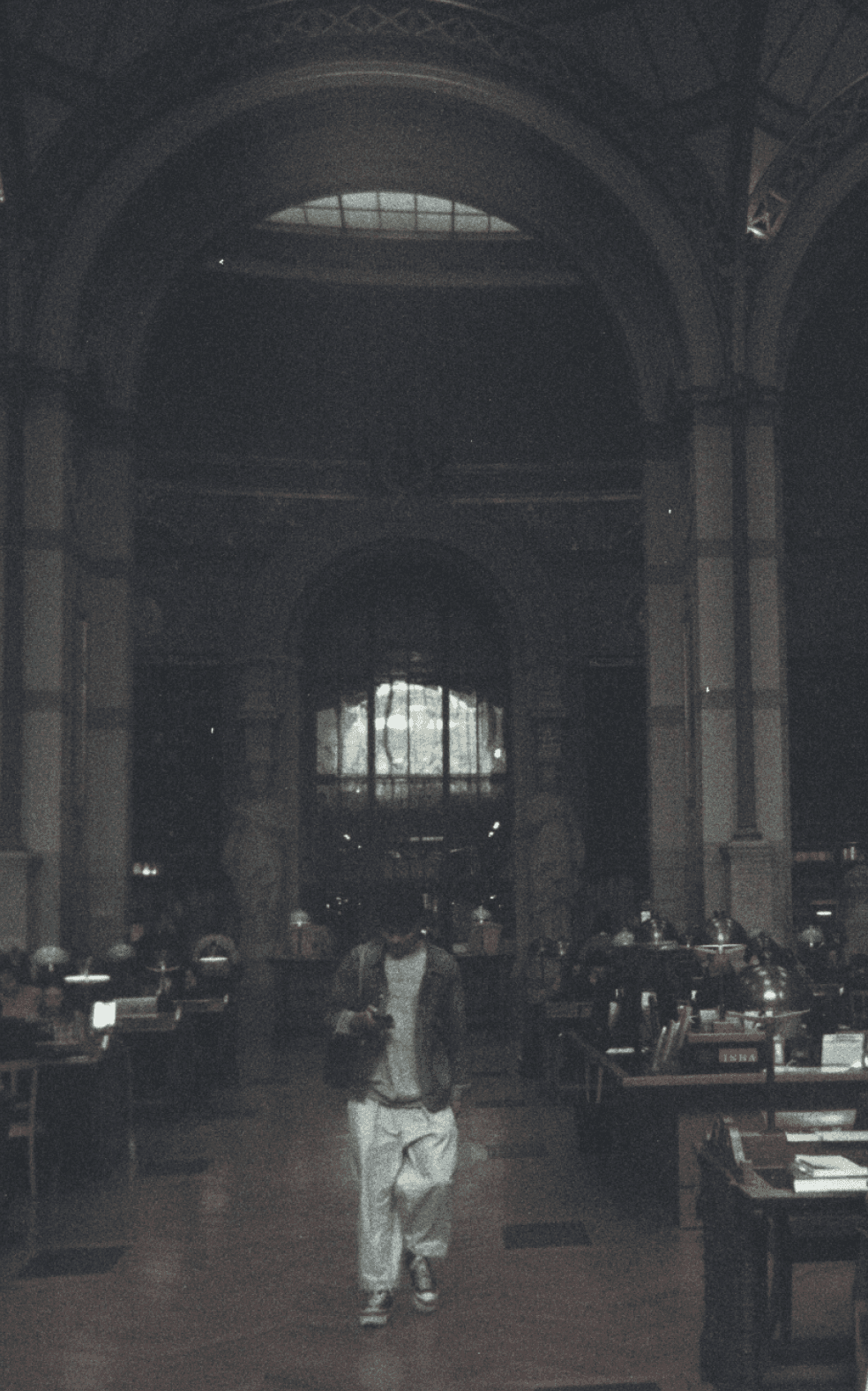
When fear transforms into anger, it fuels growth and movement.
transformation
#3
The constant feeling that you are never doing enough — the need to finish, redo, improve, again and again, without end.
Inner Pressure
And in the background, a persistent anxiety: the result could have been different, BETTER, more perfect.
The habit of self-criticism and constant worry does not mean that you are moving toward excellence.
More often, it reveals a deeply rooted belief: that dissatisfaction with yourself is what drives growth.
Growth is impossible without some degree of dissatisfaction. Exhaustion, however, is entirely possible.
The ideal is unattainable.
It creates a model in which the creator is constantly expected to strive for more, ever closer to perfection. As a result, the creative process becomes endless and feeds a permanent sense of dissatisfaction with oneself.
perfectionism

To stop perfectionism, it is necessary to recognize its purpose: it pushes you into perpetual motion.
good enough
To support yourself in this process, it is essential to fully acknowledge all your results — including the intermediate ones.
Every achievement that reaches the point of “good enough to be shared now” becomes a source of support, an inner foundation that allows you to create something new, better, and more refined.
#4
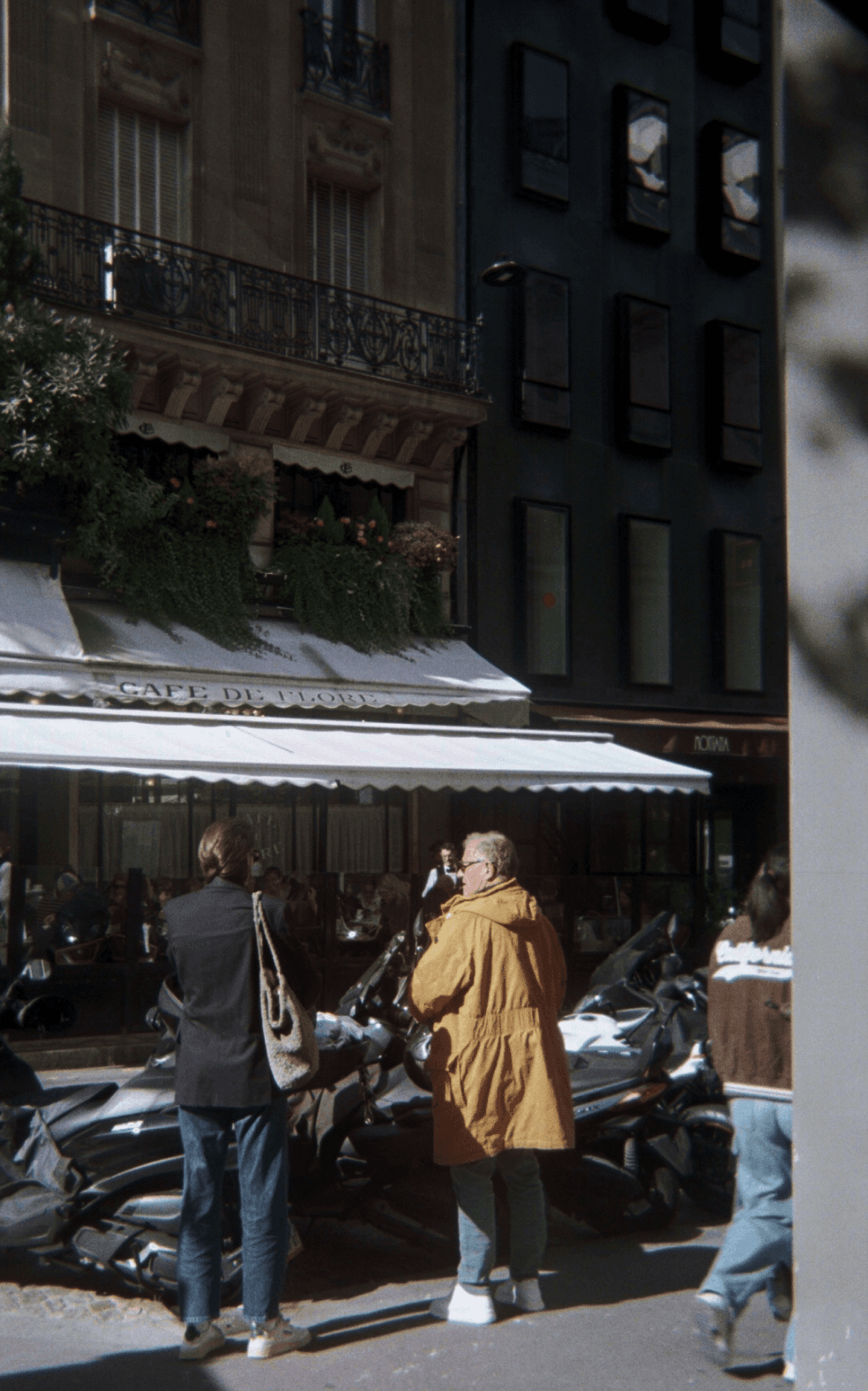
CREATING comes naturally. But declaring yourself, showing yourself, can feel awkward. An inner struggle begins as you try to give yourself permission to speak about who you are and what you do.
visibility
Discomfort, embarrassment, shame. These emotions create a state of constant waiting, making it easy to slip into depressive moods
No one likes waiting. Yet we become accustomed to this state surprisingly quickly.
waiting state
The ability to make yourself visible and to protect yourself is the ability of an adult to say:
“I exist, and I have value.”
Self-Worth
Being able to receive the world’s response to that statement is just as important — whether it comes immediately or later.
In both cases, it is part of the growth process. Without feedback from the world, you cannot grow. And you cannot know whether you are needed or whether what you create is understandable to others.
YES, MAKING YOURSELF VISIBLE IS ALWAYS A RISK.
The risk of being judged, the risk of being seen, may not appear right away. But that risk only exists when you choose to show yourself and what you create.